
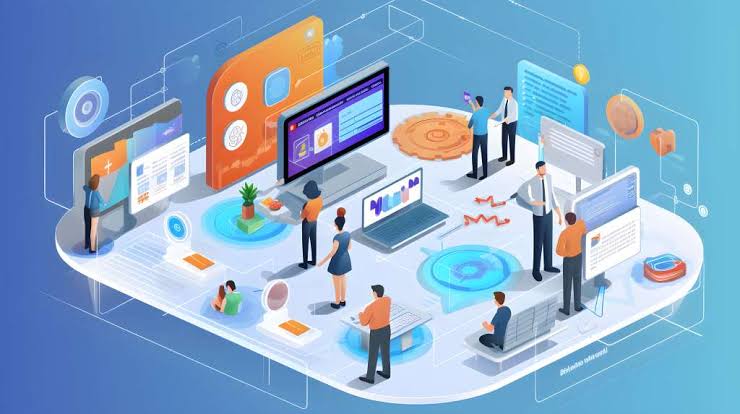
Customer data can reveal far more than names, contact details, and purchase histories. It can show what customers value, where sales opportunities are developing, and which parts of the customer journey need attention. Yet, when this information remains scattered across different systems, turning it into meaningful business insight becomes difficult.
Modern businesses therefore need a smarter way to organize, interpret, and act on customer information. Top crm software can bring these insights together, helping teams recognize patterns, understand customer behavior, track opportunities, and make decisions based on reliable information rather than assumptions.
From Customer Records to Business Intelligence
A CRM is often associated with contact management, but its value extends much further. Simply knowing a customer’s name, company, phone number, and email address is useful, but it does not tell the complete story. Businesses need to understand what happened before, what is happening now, and what could happen next. A well-structured CRM can connect customer profiles with interactions, enquiries, follow-ups, opportunities, and sales activity.
This creates a more complete view of each relationship. That visibility changes the quality of business conversations. Instead of asking, “What is happening with this customer?” managers can examine the available information and identify where an opportunity stands, where attention is required, and which activities are generating results.
Better Data Creates Better Sales Decisions
Sales teams need reliable data to prioritize opportunities effectively. A CRM organizes leads, tracks pipeline movement, reveals conversion patterns, and helps managers identify where prospects engage, progress, or drop off. This information can support several practical decisions:
- Which opportunities deserve immediate attention?
- Which leads require additional nurturing?
- Where are sales processes slowing down?
- Which customer segments show stronger buying potential?
- Which activities contribute most effectively to conversions?
The result is a sales process driven less by instinct and more by evidence.
Real-Time Visibility Changes the Management Equation
Business conditions can shift quickly. A sales pipeline that looked healthy last month may require immediate attention today. Customer expectations, project requirements, market conditions, and internal priorities can all change. This makes access to current information increasingly important.
A modern CRM can provide real-time access to customer information and activity, helping decision-makers respond to changes without waiting for manually prepared reports. For leadership teams, this means customer data becomes more than an operational record. It becomes an active management resource. A manager can review pipeline movement, identify emerging concerns, evaluate sales performance, and adjust priorities while there is still time to influence the outcome.
Connecting Customer Data Across Departments
Customer experience rarely belongs to one department. Sales may manage an opportunity. Customer service may handle a request. Finance may process an invoice. Operations may be responsible for delivery. If each department maintains a separate version of the customer’s story, valuable context can disappear between teams.
An integrated CRM helps reduce these information gaps. When customer-related information is available within a connected business environment, employees can work from a more consistent source of information. This becomes particularly important for organizations managing complex operations, multiple business units, locations, projects, or customer touchpoints.
Why the Right CRM Matters More Than Having Any CRM
Not every CRM delivers the same business value. A system may contain numerous features but still create frustration if employees find it difficult to use, if information remains fragmented, or if reporting does not support actual management needs. The right CRM should fit the way an organization operates.
Decision-makers should therefore examine factors such as:
- Data centralization: Can customer information and interaction history be accessed from one reliable environment?
- Pipeline visibility: Can teams understand the movement of opportunities without relying on manual updates?
- Automation: Can routine follow-ups, alerts, workflows, and repetitive activities be streamlined?
- Reporting and analytics: Can leaders turn customer activity into meaningful performance insights?
- Integration: Can CRM data connect with finance, operations, projects, service, and other business functions?
- Scalability: Can the system support the organization’s changing requirements as operations expand?
These considerations matter because CRM software should support business decisions, not simply become another application employees are required to maintain.
Turning Historical Data Into Forward-Looking Decisions
One of the most valuable capabilities of a CRM is its ability to reveal patterns over time. Historical customer information can show which products generate recurring interest, which customer groups convert more frequently, how long sales cycles typically take, and where engagement tends to decline. These patterns can contribute to better forecasting.
For example, if a business identifies a recurring drop in conversions at a particular stage, management can investigate the reason rather than simply accepting lower results. If certain customer segments consistently demonstrate stronger engagement, marketing and sales teams can refine their strategies accordingly.
Cloud Technology Makes Customer Insights More Accessible
Accessibility is another important consideration for organizations operating across locations, offices, projects, or mobile teams. Cloud-based platforms can give authorized users access to relevant business information without tying decision-making to a single physical location. For businesses evaluating cloud-based crm software in the UAE, the focus should extend beyond remote accessibility.
They should also consider security, scalability, integration, mobile access, data visibility, and how effectively the CRM fits into the organization’s broader technology environment. For growing UAE enterprises, this type of connected environment can help ensure customer intelligence remains available wherever business decisions are being made.
The Real Value Is the Decision, Not the Dashboard
Dashboards may look impressive, but visual reporting alone does not create business value. The real benefit appears when information leads to action. A sales manager may use customer activity to prioritize opportunities. A service leader may identify recurring complaints and investigate their underlying causes. Marketing teams may recognize stronger-performing customer segments. Senior executives may use broader trends to assess growth opportunities and resource allocation. In each case, the CRM becomes part of the decision-making process. That is the shift businesses should look for when evaluating CRM technology: moving from “Where is the customer information?” to “What does the information tell us, and what should we do next?”
Conclusion
Customer data has strategic value only when businesses can understand it and act on it. The right CRM creates that bridge by organizing customer information, connecting interactions, improving pipeline visibility, supporting forecasting, and making relevant insights easier to access. For enterprises seeking scalable and integrated business management, cloud-based crm software UAE can provide an important foundation for turning customer intelligence into stronger decisions.
ePROMIS provides integrated business technology combining CRM and cloud capabilities. Their solutions support real-time information, automation, scalability, and connected operations, helping organizations across construction, manufacturing, oil and gas improve visibility, coordination, customer engagement, and long-term business performance.